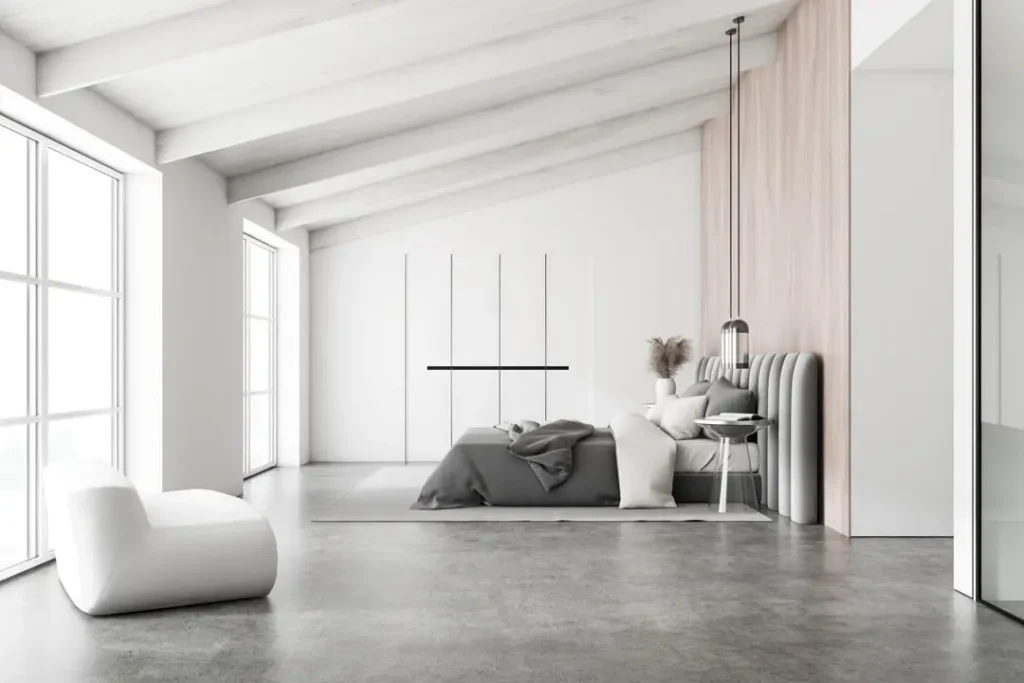
Microcemento has become a trend in interior and exterior decoration. Its seamless appearance brings distinction and countless benefits to homes and spaces of all styles.
A highly decorative and lightweight continuous coating that can be applied in thin layers of just 3 millimeters on any type of surface, with floors and walls being the primary beneficiaries of its excellent aesthetic and functional virtues.
This coating is formulated from a cement base, selected minerals, acrylate resins, and pigments that allow a quick transformation from an old substrate to a new one, thanks to the absence of joints and demolition work.
Zenciment is designed to provide efficient and highest-quality solutions. We take care of every single detail, as we believe that is the difference that makes a difference. With our microcementos, applicators can provide unique and distinct finishes depending on the needs of each project. The variety of textures allows for the creation of spaces with personality and a beautiful style that highlights the brightness of the space.
A decorative coating for interiors and exteriors that is highly wear-resistant, flexible, and can be applied to any type of surface. The absence of joints makes maintenance easier and provides a sense of spaciousness.
The elasticity and flexibility of microcement make it an ideal material to apply on horizontal and vertical surfaces. The application process results in a continuous, modern, minimalist, and sophisticated coating.
Quality is prioritized over quantity. That is the perspective we at Zenciment always hold. But we go further, proving that both can be achieved without either being compromised. Because we want to deliver the best and only the best. We have a wide range of microcement for floors and walls so that every customer finds a solution tailored to their scale.
The two-component Microcement system (the perfect combination of cement aggregates and Polymer resin) is specifically engineered for users who desire to create spatial compositions with a personal touch.
The product possesses superior adhesion on all surfaces alongside excellent workability. With this system, professionals and professional applicators can flexibly choose between preparation mortars and finish mortars with various grain sizes, offering endless choices of surface textures to decorate both interior and exterior spaces.

Zenciment Kal is a two-component lime-based Microcement line, formulated specifically to be applied as a seamless coating with an ultra-thin thickness for floor and wall systems. The product stands out for its sophisticated handcrafted finish, excellent workability (plasticity), and extremely high hardness. The material is applied with a specialized trowel in multiple layers, allowing for the creation of diverse effects such as the traditional Tadelakt surface or modern exposed concrete effects.
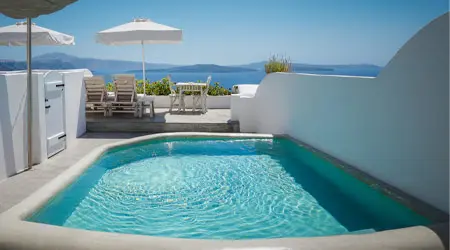
Zenciment Pool (originally MyPool) is a specialized two-component Microcement line for swimming pools and areas frequently exposed to water. This product creates a seamless surface with superior slip resistance and outstanding durability. With a modern design language, Zenciment Pool is moisture-resistant, UV-resistant, and capable of withstanding continuous submersion. Notably, due to its flexible application properties, the product can also be applied using the “wet-on-wet” technique, optimizing time and adhesion between layers.
Zenciment Ready is a ready-to-use Microcement line that simplifies the work for professional contractors. The product delivers a flawless finish without the need for mixing, eliminates material waste, and maximizes project timelines.
This product line offers outstanding durability alongside premium decorative effects for both floor and wall systems, breathing a unique style and solid permanence into every space.
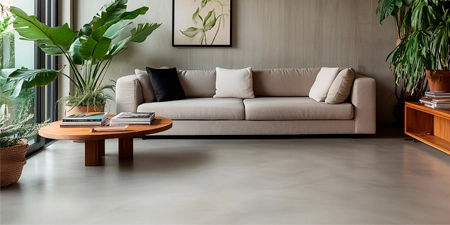
The outstanding properties that make it the ideal material for comprehensive renovation projects, ranging from residential to commercial premises. A seamless surface with no grout lines, the ability to quickly revamp spaces without demolition, and minimal maintenance requirements are just a few of the benefits of microcement, making this coating an extremely popular trend in the market.

Microcement is a seamless decorative coating that requires no expansion joints and allows all surfaces to be connected using the exact same material. This delivers a clean, modern, and uniform look to any space. The complete elimination of grout lines makes surface cleaning incredibly easy, requiring only water and neutral pH cleaning solutions.
Thanks to its ability to adhere directly to old substrates without demolition, microcement is a solution that allows for comprehensive, top-to-bottom space renovations without generating any construction waste or debris. This characteristic brings tremendous added value to professional contractors, enabling them to deliver lightning-fast and clean construction projects to their clients.
Thanks to a specialized protective coating (sealer) application process, this decorative finish possesses outstanding impact and scratch resistance. Furthermore, this material maintains absolute stability, with no shrinkage or expansion when subjected to environmental temperature variations.
The application of microcement is carried out directly without the need to demolish or dismantle the existing substrate. With an ultra-thin thickness of just 3mm, the microcement coating adheres perfectly to the old base without any risk of peeling. This is truly the ultimate solution to create a fresh, new look with premium decorative value.
This is a versatile decorative coating possessing high mechanical compressive and flexural strength, ensuring it does not crack over time. Additionally, it is a material with highly effective wear resistance, scratch resistance, and UV (ultraviolet) resistance.
This material delivers excellent adhesion on almost all types of substrates (except for natural wood). Microcement is perfectly compatible with concrete, ceramic tiles, plasterboard, marble, and cement mortar. It boasts outstanding adhesion across all surfaces, from vertical planes (walls) and horizontal planes (floors) to rough or smooth textures.
The potential for spatial creativity is infinitely expanded thanks to the rich variety of decorative effects and surface finishes. With an extensive collection of colors and textures, this material is guaranteed to deliver a modern, sophisticated aesthetic that few traditional materials can match.
This is an incredibly versatile coating that can be flexibly applied to both interior and exterior areas: floors, walls, bathrooms, kitchens, balconies, terraces, swimming pools, or porches. No space or surface is too challenging for this material. Microcement transforms any space into a sophisticated environment with a bold, minimalist style.
Microcement from Zenciment is the perfect solution for upgrading and renovating any type of surface or space. This material creates innovative, highly artistic environments—a level of distinction that few other coatings can achieve.
Its rise to prominence in the modern construction and decoration industries is inevitable, thanks to its rare and versatile adaptability. No substrate can resist the appeal of microcement: from flooring and walls to ceilings, swimming pools, balconies, terraces, and even custom furniture pieces.

Microcement material opens up countless possibilities in designing and decorating every surface. Applying microcement to flooring systems is one of the most popular choices, as this material unlocks a diverse aesthetic world, creating seamless floor surfaces that are wear-resistant and durable over time.
This flooring system offers bespoke designs, leaving a unique signature on any floor space from residential homes to offices. As industry experts, we understand that maximum adhesion on all types of substrates is Zenciment’s outstanding advantage to achieve finishes of the highest quality. Microcement for flooring systems allows for the creation of continuous, tough, and durable surfaces that perfectly adapt to any interior design style.
Microcement walls offer a balanced combination of luxurious beauty and a wide variety of finishing effects. Professional artisans can infuse personal style into every project by utilizing different grain structures (fine, medium, or coarse). Applying microcement to walls guarantees a unique and unrepeatable result.
Applying a microcement coating to walls creates a finish with high mechanical strength, while also providing outstanding flexibility and durability. The integration of protective sealers in the final stage makes the surface entirely waterproof and perfectly suited even for environments that are frequently exposed to moisture.
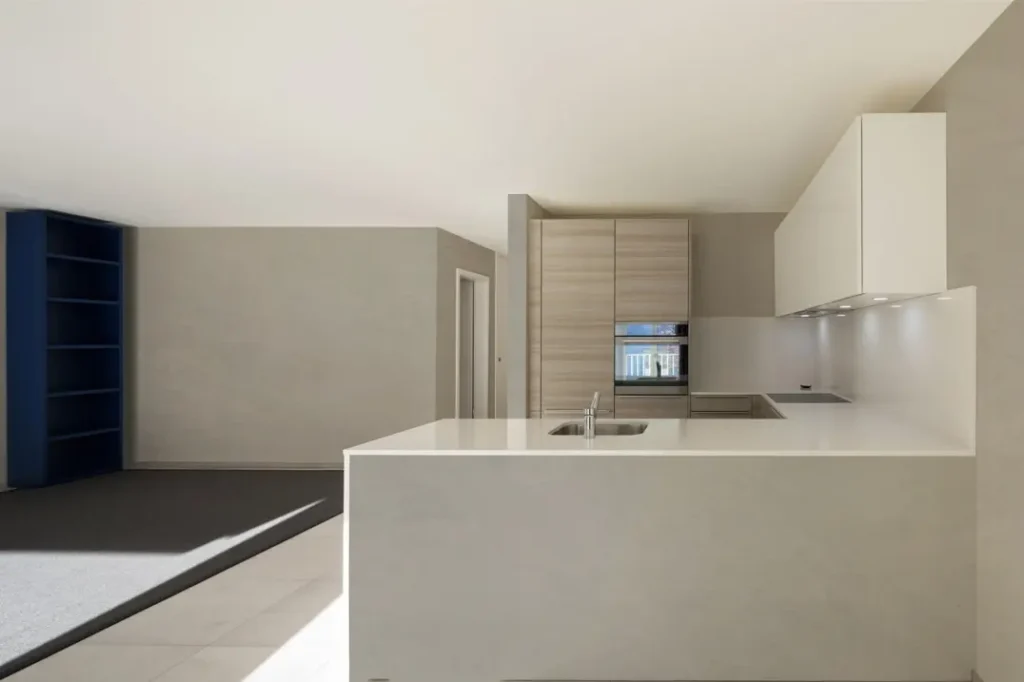
Microcement in kitchens is the perfect companion to maximize spatial brightness and create pleasant color tones. This coating is designed to capture light for any decor style while possessing outstanding impact and scratch resistance. The material delivers maximum durability against daily wear and physical impacts.
It is the ideal product to achieve a modern kitchen that emphasizes minimalism and a sense of spaciousness. Design, decorate, and create dream flooring and wall systems with a flawless finish. A seamless decorative coating will make the space—where we spend many hours each day—more enjoyable and relaxing.
Applying microcement in bathrooms has become a mainstream trend in home renovation, as it is a material capable of adapting to any surface while bringing a distinct touch of luxury. When combined with a protective coating (sealer), it becomes an entirely waterproof system with a profoundly modern feel.
With microcement, grout lines on floors and walls are now a thing of the past, which means the complete elimination of gaps and crevices—the spaces where dirt and mold typically accumulate. Thanks to this seamless coating, cleaning the most sensitive area in the house becomes easier and more convenient than ever, especially for bathrooms with limited space.
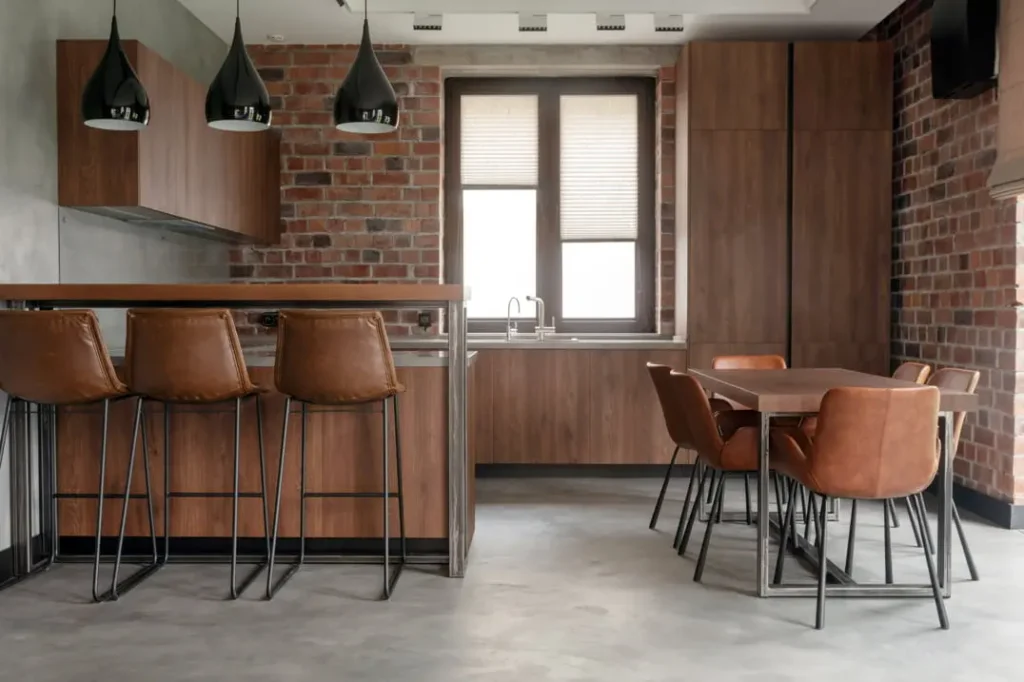
Architects and interior designers have seamlessly integrated microcement into both interior and exterior spaces. Despite its ultra-thin profile, this material is specially engineered to withstand UV rays, rainwater, cracking, high temperatures, and severe weather conditions. Its extreme hardness and exceptional adhesion allow it to perfectly cover everything from facades, porches, and balconies to outdoor wall and flooring systems.
Applying microcement to exterior spaces elevates the surrounding architectural elements, creating modern and airy environments. The material can be applied directly onto plaster, ceramic tiles, concrete, or any existing substrate without the need for demolition. Notably, the choice of grain texture during application is the key factor in preventing slips: the coarser the surface, the lower the risk of slipping.
The microcement application process demands a highly skilled workforce with professional expertise and strict compliance with technical procedures. These steps will be flexibly adjusted depending on real-world conditions and the specific characteristics of the substrate to be covered. Below is the detailed execution process.
Thoroughly preparing the floor or wall surface prior to coating is vital. The surface must be completely cleared of dust, grease, and any defects (cracks, unevenness) must be fully treated. The flatter and more stable the substrate is, the better the microcement layer adheres, while minimizing potential future cracks.
After the surface is clean and flat, proceed to roll on a specialized primer. This primer acts as a “bridge” that helps the microcement bond more tightly and quickly with the existing substrate material. Depending on the surface type (absorbent or non-absorbent) and the conditions of the application area, we will select the most suitable primer.
Next is the step of applying the preparatory microcement layers (base layers) onto the surface. The specific number of layers will be decided by experts depending on the product system used. These layers create a solid substrate before applying the finishing layer. To achieve excellent results, each base layer must ensure standard drying time and be thoroughly sanded.
Once the base layers are completely dry, technicians proceed with applying the finishing microcement layers. These are the layers directly exposed on the surface, which determine the movement effect and the aesthetics of the project. The number of finishing layers will be adjusted depending on the design style and specific requirements of each client.
To achieve a flawless and long-lasting finish, the final step is to apply a protective coat (Sealer/Barniz). This coating seals the surface, protecting the microcement from wear and tear, impacts, environmental humidity, and other damaging factors.
Microcement offers a rich color spectrum, expanding far beyond the limitations of traditional construction materials. Zenciment’s advanced tinting system allows for the creation of accurate tones, meeting the most rigorous standards of architects and design professionals.
Each of our microcement systems possesses its own distinct color palette, ranging from radiant, bright tones and soft, warm hues to the most vibrant shades. All are designed with the goal of creating highly artistic finished surfaces.
For a long time, the notion that microcement only comes in “cement gray” has been an outdated stereotype. With today’s massive color palette, combined with diverse surface effects and textures, we enable every client to possess a completely unique and personalized space.
Our premium color pigments offer absolute durability, resistant to fading under harsh weather or the wear and tear of time. This color stability during outdoor application ensures a singular beauty for the project even under the most extreme conditions. Discover our color collection and choose the shade that best suits your style and needs.

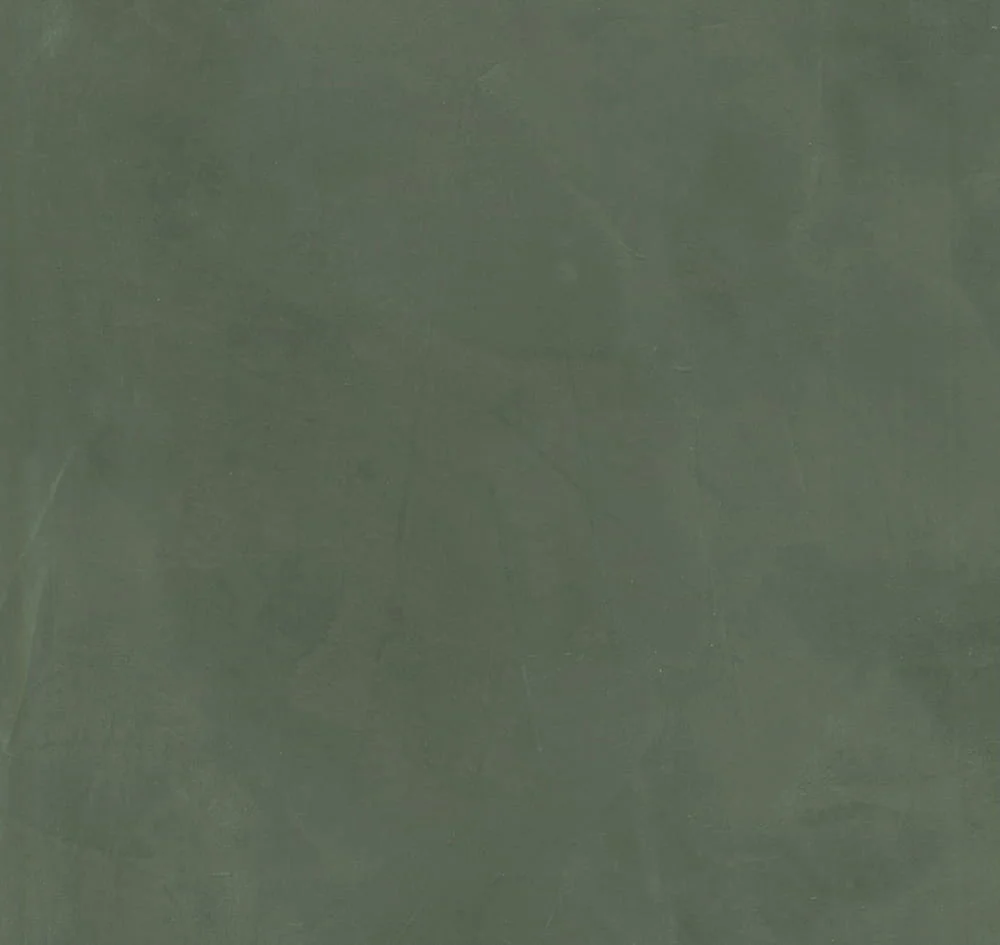

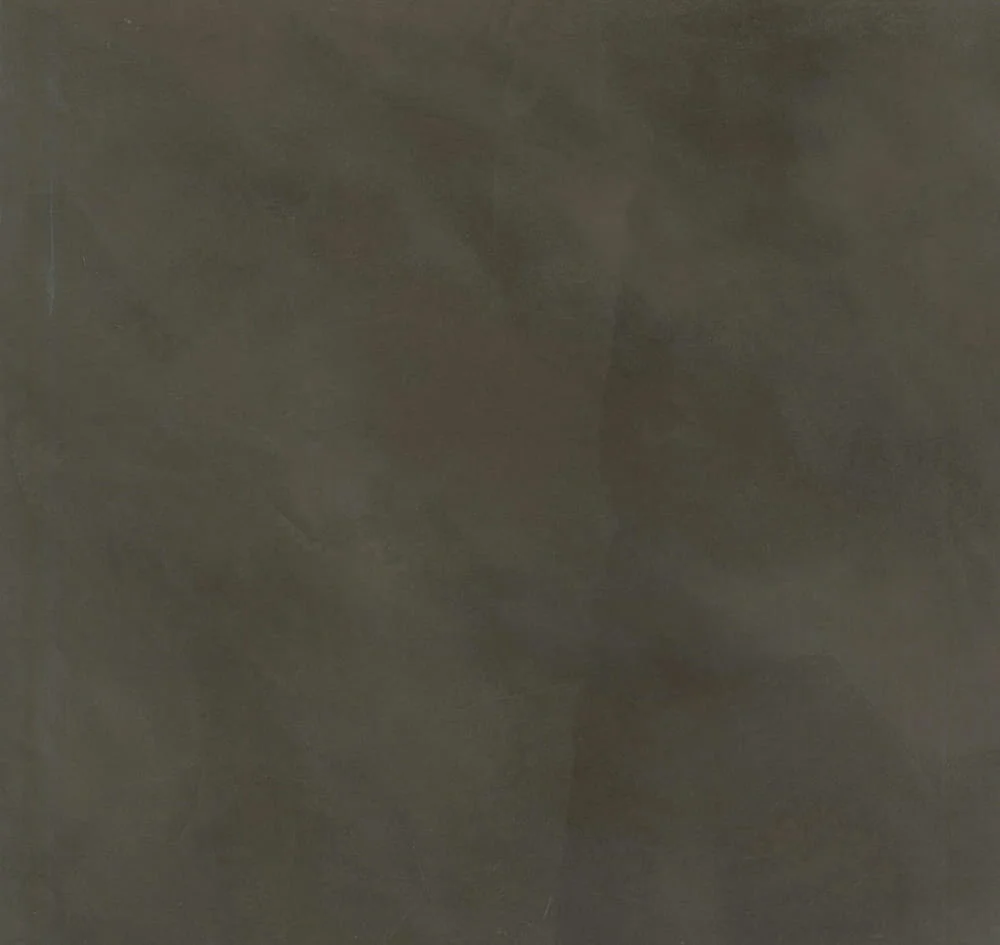






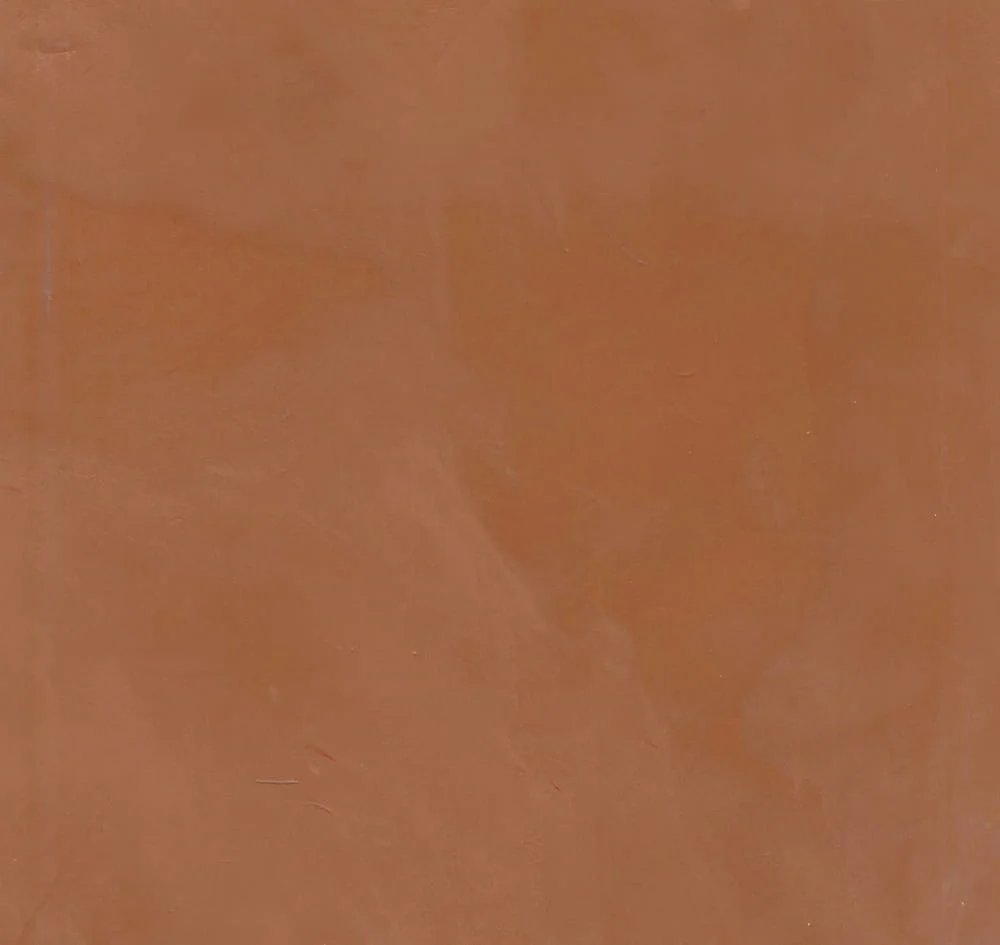

The texture (texturas) of the microcement mortar and the choice of the protective sealer are the two key elements that determine the aesthetic style of the finished surface. Depending on the desired design style or the specific characteristics of the application area, we offer various levels of surface textures.
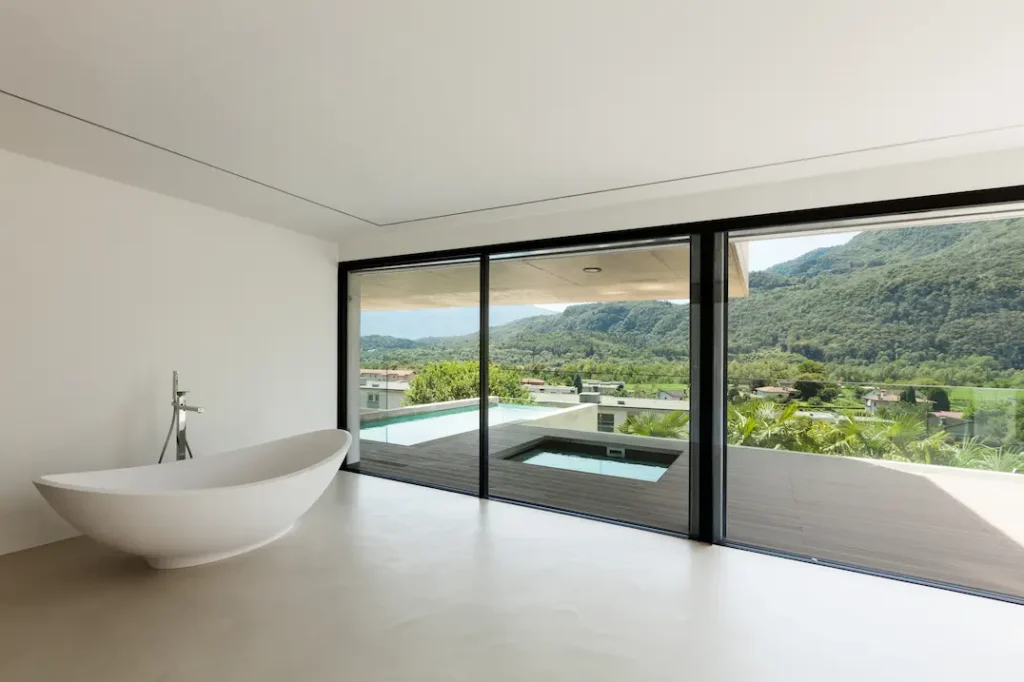
Walls typically use fine grain to create a smooth, silk-like surface that enhances the aesthetic value of the coating. Meanwhile, medium grain is suitable for interior floors, providing a durable texture and better load-bearing capacity. Coarse grain offers high roughness, making it the perfect choice for exterior floors to achieve a rustic style.
Due to its naturally porous characteristics, Zenciment requires a top protective varnish coat to waterproof and protect the surface. This top coat comes in the following finish levels:
Gloss (Brillo): Accents the tones of Zenciment, creating a sharp and powerful look for the finished layer.
Matt (Mate): The ideal choice to achieve natural beauty and a non-reflective surface. This line offers great wear resistance and hides dust well.
Satin (Satinado): A harmonious combination of gloss and matt, allowing the surface to catch the light gently and elegantly.
Super Matt (Supermate): Offers a minimalist look with an even lower light reflectance than the standard matt line.
The complete elimination of grout lines makes microcement the ideal material for creating modern spaces with an unprecedented sense of spaciousness. The ability to create seamless surfaces combined with extremely high adhesion to all types of materials makes this product the perfect solution for renovation.
In particular, microcement can be applied directly onto the surface of old materials without the need for demolition. Refurbishing floors and walls without generating construction waste has now become a reality.
This is the perfect coating material to achieve a look similar to polished concrete, yet it possesses subtle nuances akin to marble.
The anti-slip capability of microcement depends on the surface roughness created during the application process or the final protective coating. The rougher the textured surface, the higher the safety and slip resistance.
Microcement has excellent moisture resistance and withstands direct contact with water extremely well, making it an ideal choice for areas such as kitchens and bathrooms. Depending on the composition, each line of microcement will have a different level of waterproofing.
To optimize waterproofing capability, we recommend applying a final protective layer using specialized sealants available in our product portfolio.
Microcement possesses superior mechanical durability and chemical resistance, enabling the surface to withstand strong forces and heavy impacts. This material can endure temperature fluctuations well, has high abrasion resistance, and is durable under the effects of ultraviolet rays (sunlight). Additionally, it is a completely non-combustible material, providing optimal fire resistance for construction projects.
Zenciment possesses very high durability. With just simple maintenance steps, we guarantee that the material surface will endure through the years without any degradation. To keep the surface looking like new and to extend its lifespan, we recommend using specialized protective waxes.
In our product portfolio, you can find the ZencWax and ZencWax Plus maintenance wax lines. Among them, ZencWax is designed for residential needs, while ZencWax Plus is specialized for areas with professional technical requirements.
Absolutely possible. You can freely blend color tones as desired to create a unique surface, deeply imbued with your personal signature.
When preparing a renovation quote with microcement, experts will consider various factors. To determine the final finishing cost, options such as the selected microcement line, the characteristics of the application surface, and the cost of mobilizing the technical team must be taken into account.
Regarding the reference price, the microcement application cost typically ranges from 70 to 110 euros per square meter. If you need more detailed information or wish to receive consultation from our team of experts, contact us immediately for free support.
Some problems that may arise on microcement-coated surfaces include scratching, cracking, or poor waterproofing. However, if a high-quality material system is used, applied by a skilled artisan team, and coated with a specialized protective layer in the final steps, these issues will be completely eliminated.
Zenciment’s material systems do not suffer from the aforementioned drawbacks thanks to their superior quality. In our product portfolio, we provide a full range of surface protection solutions, helping your project remain as durable and beautiful as day one.
What people often mistakenly call “polished microcement” is actually polished concrete (cemento pulido). These are two concepts that are frequently conflated even though, in essence, they have nothing in common, even if their appearance can look quite similar.
Polished concrete is actually a form of decorative surface finish. The application scope of this material is limited only to floors; furthermore, it is not a good acoustic or thermal insulation material. Its name originates from the use of specialized floor grinders to create the characteristic shine. Other disadvantages of polished concrete include the mandatory use of reinforcing steel mesh and expansion joints; over time, the surface can lose its gloss and is prone to cracks.
Epoxy floor paint (porcelanato líquido) is also a material that is highly favored due to its many advantages and diverse surface effects. Are you wondering which one is better? The answer depends on the aesthetic goals, the surface to be renovated, as well as the allowable application schedule.
For example, due to its specific viscosity, epoxy floor paint can only be applied on floor surfaces. Meanwhile, microcement is much more flexible as it can be applied to walls, ceilings, and furniture. The difference in effects is also very distinct: epoxy allows for 3D modeling and complex visual effects (which usually drives up the cost), while microcement brings a uniform and refined beauty.
The application process of the two types is also different. Epoxy floor paint is only for interior spaces, while microcement can be used for both exterior areas. Additionally, applying epoxy requires a self-leveling layer. Summarizing the above factors, the cost for epoxy floor paint is typically much more expensive compared to microcement.
This is the perfect coating material to create a luxurious surface. The complete elimination of grout lines helps the space become open and brings an absolute sense of seamlessness. With high aesthetics and flexible adaptability, this is the ideal choice for various design styles and different types of spaces.
As a general rule, microcement should not be applied to surfaces currently affected by moisture, as this can reduce adhesion and adversely affect the aesthetics of the finished surface. However, in specific cases, we can completely eliminate the moisture source or treat the surface with a specialized epoxy resin. This primer layer acts as a barrier preventing moisture or water vapor from permeating up from the substrate.
It is absolutely possible to apply microcement over underfloor heating systems. However, before that, it is mandatory to perform a standard heat-up protocol (thermal testing) to prevent potential cracks arising from sudden temperature changes.
Microcement itself is a highly elastic coating material, so it will not crack on its own. However, the key factor is that the substrate surface (base layer) must be thoroughly cleaned and stable before application. A careful inspection is required to ensure there are no peeling parts, damaged old paint layers, or loosely installed ceramic tiles.
Preparing the substrate in good condition is a prerequisite to prevent the appearance of hairline cracks or deep cracks on the finished surface later on.
Wood flooring and natural wood are materials composed of detached planks capable of expanding and contracting. The movements or expansion of these planks can cause cracks in the new microcement coating. Therefore, we recommend not applying microcement directly onto wood floor surfaces. The most ideal solution is to remove the old wood flooring before application.
It is absolutely possible to apply microcement if the old surface has been stabilized, leveled, and is free of grease. In this case, you do not need to demolish the old floor layer but can easily proceed with the entire application process directly on top.
For exterior floors, the use of a microcement line with maximum abrasion resistance and the capability to withstand harsh temperature fluctuations is absolutely essential. ZenRock delivers a natural stone-like finished surface while ensuring excellent anti-slip properties for outdoor areas.
The advice from experts, including our team, is very clear: fiberglass mesh should be used when applying microcement, especially for floors and old ceramic tile walls. However, this does not mean it is 100% mandatory for every project; there are a few exceptions to note.
Currently, there are microcement lines that do not require mesh, typically exemplified by our ready-to-use microcement line, ZencReady Go!. For this reason, always consult with trusted experts for each specific case.
Before beginning the microcement application, it is mandatory that the substrate surface is level, dry, clean, and structurally stable. After thoroughly cleaning the base layer, a primer coat (imprimación) must be applied to enhance adhesion and harden the surface. Next, a fiberglass mesh layer will be laid down for reinforcement, helping the coating system achieve maximum strength and durability.
Microcement can be used on almost any surface, with the exception of live wood. In the case of ceramic tiles, the surface must first be leveled and the grout joints filled. This material easily adheres to existing surfaces without leaving any previous joints visible.
The ideal time to apply microcement is during the final finishing stage of the construction project. In particular, this work must be executed by a professional team of artisans with deep knowledge of the material. Since microcement is a high-end decorative coating material, only skilled and technically proficient hands can create finished surfaces that meet maximum quality and aesthetic standards.
Microcement can be applied to almost any type of surface, with the exception of natural wood (wood that has not undergone stabilization treatment). For ceramic tile surfaces, the first step is to level the surface and fill the grout lines. This material has excellent adhesion to the existing substrate, ensuring a smooth, flat finish that completely hides any traces of the old joints.
Plaster surfaces (yeso) or gypsum boards (Pladur/Gypsum board) are highly recommended options for microcement application, as they possess an ideal level of absorption. However, before starting the coating process, it is essential to ensure that the plaster layer has completely cured and is structurally stable.
The average time to complete a standard microcement application process typically ranges from 4 to 5 days.
By nature, microcement is a porous material with microscopic pores, but to ensure absolute protection, we always apply a specialized varnish (barniz) coat as the final step. This coating renders the surface completely waterproof, making microcement the perfect covering material for bathrooms, washbasins, shower trays, or even bathtubs. Space seamlessness and resistance to surface pressure are always guaranteed to the maximum.
Applying a protective sealant (seal) to microcement is incredibly important and essential, as it enhances hardness and simplifies the surface maintenance and cleaning process. This specialized Polyurethane coating acts as a barrier that prevents stains from penetrating, while serving as the final finishing step that highlights the beauty of the design.
Depending on personal preference, you can choose from various surface effects such as matte (mate), satin (satinado), or gloss (brillante). Additionally, these varnishes are the exact factor that creates excellent anti-slip and waterproof capabilities—highly valuable characteristics of the microcement coating.
Microcement is a material capable of flexibly adapting to any surface, and stairs are no exception. The most important factor is ensuring that the stair substrate structure is completely solid and stable. In addition, special attention must be paid to the corners of the steps; here, we recommend installing aluminum profiles (perfil de aluminio) hidden inside the base mortar layer for reinforcement, helping to prevent chipping or wear issues during use.
The outstanding advantages of microcement make it an extremely versatile coating material that can be seamlessly applied to both interior and exterior spaces. In fact, the trend of using microcement for outdoor areas such as terraces, facades, or swimming pools is becoming increasingly popular thanks to its excellent technical characteristics.
This material possesses UV resistance, can withstand harsh sun and rain conditions, and offers good abrasion resistance against high foot traffic. The only important requirement is that you must select the correct, specialized microcement line specifically designed for these environmental conditions.
To clean microcement, you only need to use water and a neutral pH soap. Under no circumstances should aggressive cleaning chemicals be used. Products such as bleach (javel), chlorine, ammonia, or industrial soaps/detergents in general must be avoided, as they will destroy the material’s protective film.
We have developed specialized product lines to ensure deep cleaning efficiency while keeping the surface looking as bright and glossy as new: ZencCleaner and ZencCleaner Plus.
Microcement does not fade because it is formulated with mineral pigments, which provide excellent color fastness. However, it should be noted that if exposed to direct, high-intensity sunlight on a daily basis, the color may fade slightly, though insignificantly.
Keeping the microcement coating durable and beautiful over the years depends entirely on how you care for and maintain it. We recommend periodically using a diluted maintenance wax (cera) to reinforce and maintain the durability of the protective film (sealer) on the surface.
Spilling harsh chemicals or dropping sharp objects can damage the coating and leave visible scratches. Therefore, you should exercise the same care and caution as you would when using wooden floors (parquet).
Microcement provides excellent load-bearing capabilities and wear resistance under high traffic conditions. However, if the intensity of use is exceptionally heavy, we recommend reapplying a protective wax coat (ZencWax or ZencWax Plus) approximately every 6 months. This practice enhances surface hardness and creates an optimal extra layer of protection for the floor.